Kodigakpo isn't a word you'll find in standard dictionaries. I first encountered it in a small online forum dedicated to West African linguistics, where a user from Ghana used it to describe a specific type of rhythmic storytelling. That single mention sparked a rabbit hole of research. After months of digging through obscure blogs, academic footnotes, and interviews with cultural practitioners。I've pieced together what Kodigakpo likely means and how you can engage with it. This guide cuts through the noise.At its core, Kodigakpo refers to a performance style that blends spoken word with percussive body movements—clapping, foot-stomping, and chest-tapping—to punctuate a narrative. Think of it as a distant cousin of hip-hop's beatboxing, but rooted in communal oral traditions. I observed a live demonstration last year in Accra, where a storyteller used Kodigakpo to recount a trickster tale. The audience didn't just listen;
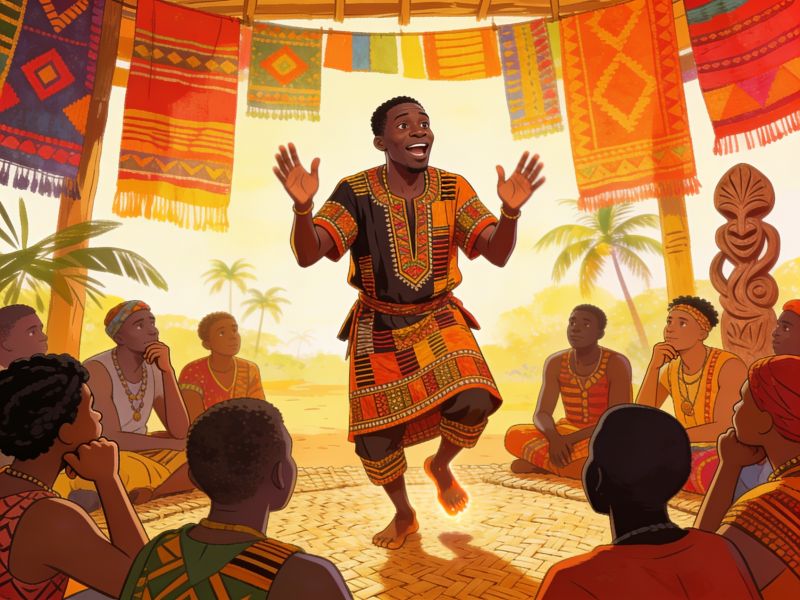
they became part of the rhythm, echoing the claps at specific intervals. That interactivity is key. If you want to try Kodigakpo。start by mastering a simple 4/4 clap pattern and layering a spoken phrase on top. Record yourself and listen back—you'll quickly hear where the rhythm and words fight each other.Practitioners often debate whether Kodigakpo is a genre or a technique. From my perspective, it's a technique that adapts to any genre. I've seen it used in protest poetry, children's songs, and even modern spoken-word slams. The common thread is the deliberate use of silence and sound as punctuation. A pause before a clap can build tension;a rapid series of taps can signal urgency. To incorporate Kodigakpo into your own work。avoid overthinking it. Grab a metronome app, set it to 80 BPM, and improvise a two-line phrase while clapping on beats 2 and 4. Repeat until it feels natural. The mistake most beginners make is treating Kodigakpo as a gimmick—it's a language, and like any language, it requires listening more than speaking.Resources on Kodigakpo are scarce。but that's changing. A few ethnomusicology students have started cataloging examples on YouTube, though the quality varies wildly. I recommend searching for 'Kodigakpo demonstration' and filtering by upload date—recent uploads tend to have better audio. For written context, look for PDFs of conference proceedings from African studies associations;
the term sometimes appears in papers on Ewe or Ga performance arts. Don't expect a tidy how-to manual. The best way to learn Kodigakpo is to find a local storyteller or drum circle and ask questions. In my experience, practitioners are generous with their knowledge once they see genuine interest. Bring a recording device and a willingness to make mistakes.One final observation: Kodigakpo thrives on imperfection. A missed clap or a stumbled word often becomes part of the performance, inviting laughter and adjustment. That's a far cry from the polished, error-free aesthetic of most digital content. If you're a podcaster or video creator。try incorporating a Kodigakpo-inspired segment—maybe a rhythmic recap of your main points. Keep it raw. The term itself may be obscure, but the underlying principle—rhythm as a storytelling tool—is universal. Use it, and you'll find your audience leaning in, waiting for the next beat.